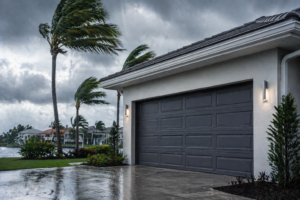
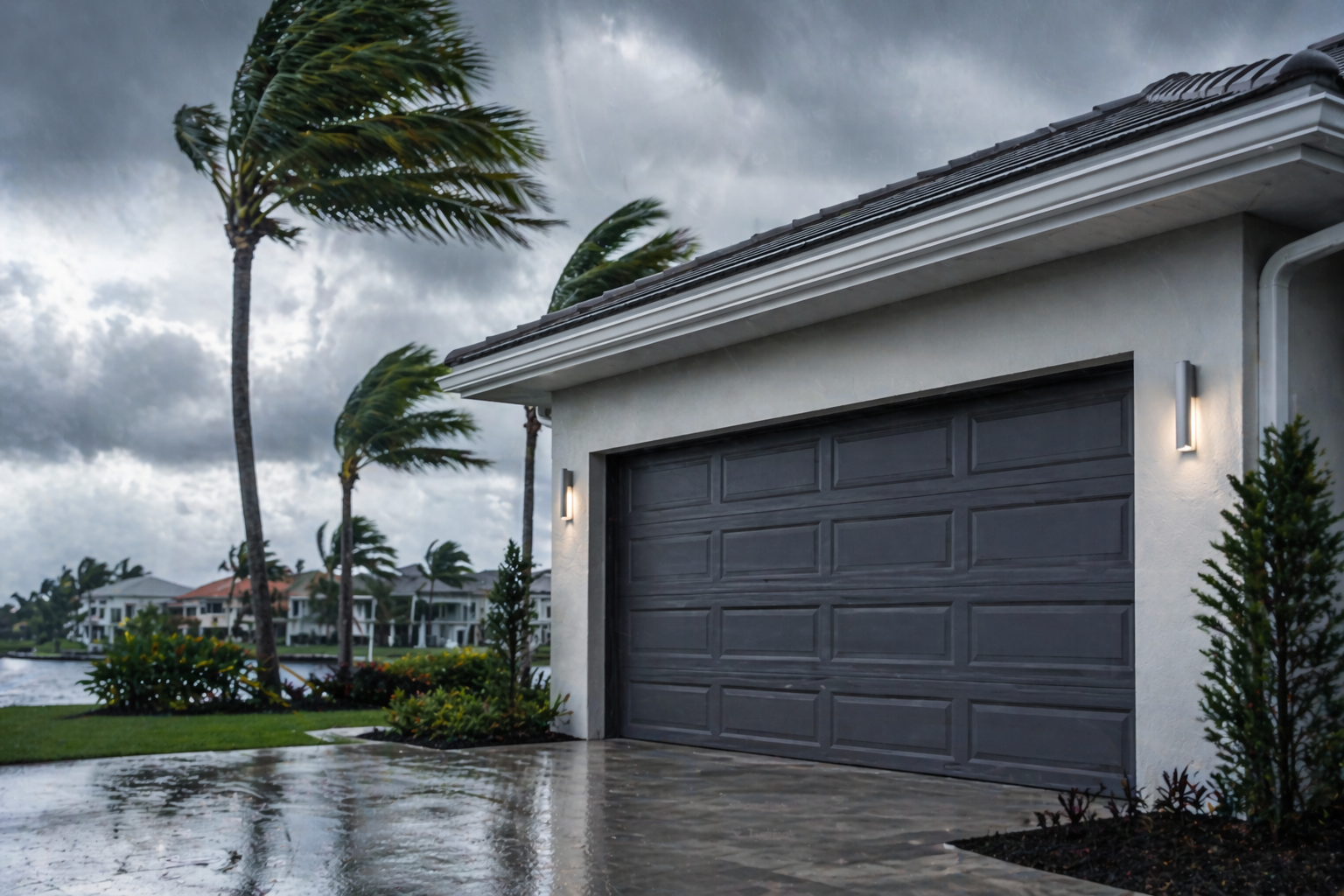
If you live in South Florida, hurricane prep isn’t optional, it’s seasonal and essential.
We stock water. We check shutters. We track storm cones. But one of the most overlooked (and most important) parts of storm protection?
Your garage door. And in hurricane-prone areas or zones, your garage door isn’t just a door,it’s a structural pressure point.
If it fails, the rest of your home becomes vulnerable.
Let’s talk about hurricane proof garage doors, what actually qualifies, and what South Florida garage door requirements mean for your home.
Your garage door is typically the largest opening in your house. When hurricane-force winds hit:
That’s why impact resistant garage doors are more than a feature, they’re protection.
Technically, the term is impact-rated or wind-load rated. In South Florida, garage doors must meet strict building codes designed specifically for hurricane zones.
Key features include:
If your door was installed before updated codes (especially pre-2002), it may not meet today’s requirements.
South Florida falls under some of the toughest building codes in the country.
Garage doors must:
Not all “strong” doors qualify. If you’re replacing your garage door, you’ll want documentation that proves compliance. This matters not just for safety, but for inspections and insurance claim purposes.
You may need to upgrade if:
Many homeowners don’t realize their door isn’t compliant until inspection time or worse, storm season.
Installing impact resistant garage doors can:
In South Florida, hurricane upgrades aren’t cosmetic, they’re practical investments, that often turn into an aesthetic upgrade.
Some doors can be retrofitted with bracing systems.
Others should be fully replaced with a hurricane-rated model.
The right answer depends on:
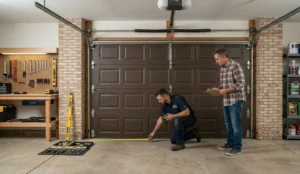
A professional inspection can determine what makes sense for your home specifically.
The worst time to think about your garage door is when a hurricane is already in the forecast.
Inventory runs low. Install schedules fill up. Permits slow down. If you’re unsure whether your door meets South Florida garage door requirements, it’s better to check now, before you need it to perform.
A qualified garage door specialist can:
Because in South Florida, hurricane prep isn’t about panic, it’s about planning.
If you’re not 100% confident your garage door meets South Florida hurricane requirements, now is the time to find out.
At Allied Doors South Florida, we inspect, reinforce, and install hurricane-rated garage doors built to handle extreme conditions. Contact us today!