
After a heavy storm or an unexpected accident, looking at a damaged garage door can be stressful. Your garage door is the largest moving part of your home and a critical line of defense, especially here in South Florida.
Understanding your homeowners insurance garage door coverage can feel complicated, but it doesn’t have to be. In this guide, we’ll break down when your policy is likely to help and when it won’t, so you can be prepared.
Most standard homeowners insurance policies consider your garage door part of your home’s structure. This means it’s typically protected under your “dwelling coverage” against specific events, often referred to as “covered perils.” If the damage is sudden and accidental, you have a strong chance of being covered.
Here are the most common scenarios where you can confidently file a garage door damage insurance claim.
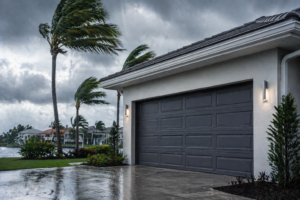
Damage from hurricanes, tropical storms, and severe thunderstorms is a classic example of a covered peril. This includes:
Damage from high winds bending the door or blowing it off its tracks
Impacts from flying debris
Damage caused by a fallen tree
Given Florida’s stringent building codes, ensuring your door is repaired or replaced correctly after a storm is vital for your home’s structural integrity. You can review the official requirements through the Florida Building Code.
See examples of proper installations in our photo gallery.
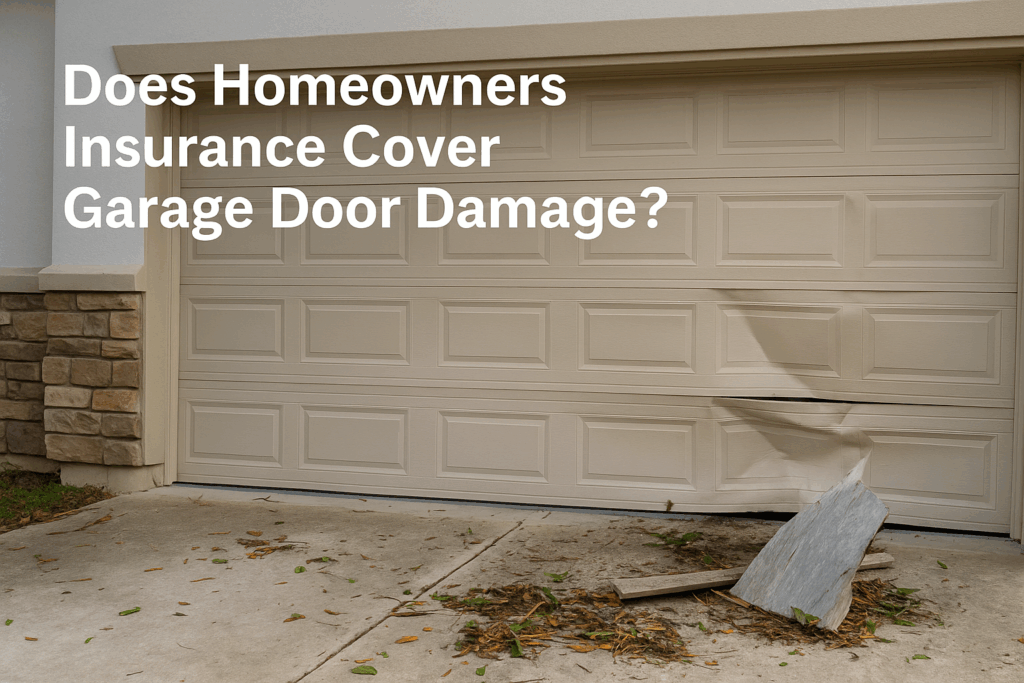
If you (or someone in your household) accidentally hit your garage door with your car, your homeowners insurance—not your auto insurance—usually covers it after your deductible.
If a neighbor or guest hits your door, their auto liability insurance would typically cover the damage.
If your garage door is intentionally damaged during a break-in, act of vandalism, or attempted theft, your policy usually covers repairs under protections against malicious mischief and theft.
Learn more about standard coverages from the Insurance Information Institute.
Whether a fire starts in your garage or spreads from another part of your home, any resulting garage door damage is almost always covered under a standard homeowners policy.
Not every type of damage is covered. Common exclusions include:
Over time, springs, tracks, and openers naturally break down. Insurance won’t cover routine mechanical failure.
If your issue relates to aging springs, check out our guide on dealing with a broken garage door spring.
Neglect—rusted parts, ignored cracking panels, unlubricated rollers—can lead an insurer to deny your claim.
For alignment issues, you can reference our step-by-step guide on aligning garage door sensors.
Standard homeowners insurance does not cover flood damage.
For protection from rising water, storm surge, or heavy rains, you need a separate flood insurance policy through the NFIP.
For hurricane readiness guidance, FEMA provides resources here:
https://www.fema.gov/blog/how-protect-your-home-high-winds
Damage from termites, rodents, or other pests is considered preventable maintenance and is not covered.
Yes—if your door is damaged beyond repair due to a covered event, your homeowners insurance may help pay for a full replacement.
For example:
If hurricane-force winds bend your door beyond repair, your policy may cover installing a new, impact-rated garage door.
Navigating an insurance claim can be overwhelming, but you don’t have to do it alone.
At Allied Doors, we have been helping South Florida homeowners since 1966. Our experienced team can:
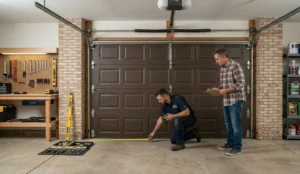
Provide a detailed inspection
Document damage thoroughly
Prepare insurance-ready estimates
Ensure repairs or replacements meet Florida’s building codes
If your garage door is damaged and you’re unsure where to start, contact us and our family will help guide you through the process.