
While your garage door is built to be a reliable part of your home, it doesn’t last forever — and a sudden failure can leave you with a big problem. On average, you can expect a modern garage door to last 15 to 30 years.
But age is only part of the story, especially here in the demanding South Florida climate. The real key is knowing the specific warning signs of failure. In this guide, we’ll uncover the five critical signs that it’s time to replace your garage door.
Most modern garage doors are built to last 15 to 30 years. However, that range depends heavily on the door’s material, how often it’s used, and how well it’s maintained.
Here in South Florida, our environment adds extra stress that can shorten that lifespan:
The coastal air accelerates rust and corrosion on springs, tracks, and steel panels — especially on older, non-galvanized doors.
For example, if corrosion affects your springs, you may start to experience issues similar to those in our guide on broken garage door springs.
Constant UV exposure can cause materials to become brittle and paint finishes to fade or peel, leaving the underlying material vulnerable.
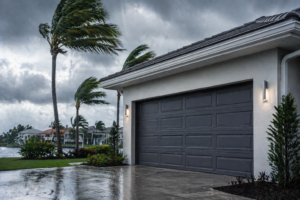
Hurricane- and tropical-storm-force winds put enormous stress on garage doors, weakening their structure over time.
For more on Florida’s safety and structural requirements, homeowners can reference the Florida Building Code.
Because of these factors, relying on age alone is not enough — you must pay attention to your door’s performance.
If you see any of these signs, it’s time to consider upgrading to a modern, impact-rated, code-compliant garage door.
Are you calling for repairs more than once a year? If new parts and adjustments are becoming routine, the costs are stacking up.
Frequent breakdowns are a clear signal that the entire system is failing — and that investing in a new door is more cost-effective long-term.
Look closely at your door:
Widespread rust along the bottom
Dented or cracked panels
Sagging or bowed sections
These are signs of structural failure. A warped or sagging door puts excessive strain on the opener and tracks, which can create serious safety risks.
If alignment issues are part of the problem, see our step-by-step guide on aligning garage door sensors.
Older garage doors may not have essential safety features such as:
Photo-eye safety sensors
Auto-reverse mechanisms
Without these protections, you risk injury to children, pets, and vehicles. Modern doors and openers meet far more advanced safety standards.
Learn more about official safety requirements by referencing UL’s opener regulations.
This is the most critical sign for any South Florida homeowner.
Your garage door is the largest opening on your home, and if it’s not impact-rated, it is your biggest vulnerability during a storm.
A failure can lead to catastrophic roof damage or loss of structural integrity.
Upgrading to a modern, hurricane-rated door:
Protects your home
Improves safety during storms
May help lower homeowners insurance premiums
View recent hurricane-rated installations in our photo gallery.
Some noise is normal — but loud grinding, popping, scraping, or violent shuddering are red flags. These usually indicate failing mechanical components that could lead to a major system failure.
Your garage door opener has its own lifespan: generally 10 to 15 years.
If your door is 20+ years old and the opener is original, it’s wise to replace them together.
Installing a new motor on an old, unbalanced door often causes premature motor burnout.
Explore opener options here Garage Door Openers
A garage door is a long-term investment in your home’s safety, value, and storm protection.
If you’re seeing any warning signs, don’t rely on guesswork.
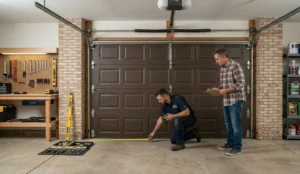
At Allied Doors, our family-run team has served South Florida homeowners since 1966. We offer:
Thorough inspections
Honest, pressure-free recommendations
Expert repairs or replacements
Code-compliant, hurricane-rated solutions
Call us at 954-942-8550 or send us a message to schedule your no-obligation garage door inspection.